Archives

Government prepares National Education Policy

Minister for Federal Education and Professional Training Shafqat Mehmood, has said that enrollment of 25 million out of school children, provision of quality education, skill development, and uniformed syllabus will be the four pillars of the national education policy.

He expressed these views while unveiling the National Education Policy framework in Islamabad on Monday.

The Minister said the federal government has prepared the National Education Policy and enrollment of 25 million out of school children is its foremost target.

Shafqat Mehmood said smart schools will be introduced with the help of technology to overcome shortage of teachers.

He said education volunteers programme will also be launched soon.

The Minister said that teachers’ training programme will be started and the National Skill University will also be established in Islamabad.

TF CEO meets DC Quetta for e-school services

On an invitation, Mr Asim Mushtaq CEO and Ms. Shagufta Noreen COO Taaleem Foundation visited the district government office at Quetta. Ms. Humaira Baloch AC Saddar Quetta conducted the meeting. She was briefed about the possibility and suitability of e-Learning solutions during the COVID-19, including online classes for secondary and higher secondary school students. She offered a field visit to some remote areas like Panjpai, where the schools needed more attention. She suggested to design some customized solution for non-operational schools and discussed about upgrading some schools with missing facilities and e-Learning solution.

بلوچستان کے بچے تعلیم سے محروم کیوں؟

قوموں کے عروج و زوال میں تعلیم کا کردار ہمیشہ سے بنیادی رہا ہے۔ اور یہ قانون فطرت بن چکا ہے کہ جس قوم نے تعلیم کے میدان میں ترقی کی دنیا کی حکمرانی کا حق بھی اسی کو عطا ہوا۔تعلیم کے بغیر کوئی بھی معاشرہ امن کا گہوارہ نہیں بن سکتا ۔تعلیم یافتہ قومیں ہی ترقی کی راہ پر گامزن ہوتی ہیں۔قیام پاکستان کے بعد کئی عشروں تک تعلیم بنیادی ترجیحات میں شامل نہیں رہی،جب ترجیحات میں شامل کی گئی تو نظام تعلیم کو تب سے اب تک بہتر نہیں کیا جا سکا۔

ہمارا تعلیمی نظام زبوں حالی کا شکار ہے۔ہمارا ملک اس وقت تعلیمی اعتبار سے دنیا میں بہت پیچھے ہے۔پاکستان میں شرح خواندگی صرف 58فیصد ہے، جبکہ بلوچستان میں یہ شرح خواندگی مزید کم ہو کر 41فیصد رہ جاتی ہے۔اس وقت پاکستان میں سکول جانے والی عمر کے 2کروڑ 28 لاکھ40ہزار بچے سکولوں سے باہر ہیں اور بلوچستان میں ان بچوں کی تعداد تقریباً 23 لاکھ ہے۔بلوچستان میں اسکول نہ جانے والے بچوں میں لڑکیوں کی شرح زیادہ ہے۔ 5 سے 16 سال کی عمر کی 62 فیصد لڑکیاں اسکولوں سے باہر ہیں۔ پرائمری اسکولوں میں لڑکیوں کے داخلے کی شرح 35 فیصد ہے۔ جوکہ ہائی اسکول تک پہنچتے پہنچتے صرف 4 فیصد رہ جاتی ہے۔

جب ہم تعلیم کے میدان میں بلوچستان کا دوسرے صوبوں سے تقابلی جائزہ لیتے ہیں تو یہ جان کر انتہائی دکھ ہوتا ہے کہ، بلوچستان تعلیم، صحت اور بنیادی انسانی حقوق سے محروم اور سب سے پسماندہ صوبہ ہے۔مملکت خداداد پاکستان کے دیگر صوبوں کی نسبت بلوچستان میں تعلیمی خواندگی کی شرح انتہائی کم ہے۔ بلوچستان کا تعلیمی معیار پاکستان کے چاروں صوبوں میں سب سے زیادہ خراب ہے۔دور دراز علاقوں میں تو تعلیمی اداروں کی عمارتیں جانوروں کی پرورش کیلئے استعمال ہوتی رہی ہیں۔

سوال یہ پیدا ہوتا ہے بلوچستان کی عوام کو تعلیم اور بنیادی انسانی حقوق سے محروم کیوں رکھا گیا تو اس کا جواب یہ ہی ہے کہ بلوچستان کی عوام میں شرح خواندگی نہ ہونے کی بنا پر اپنے بنیادی حقوق کے لیے شعور اجاگر نہ ہو سکا۔جس کی وجہ سے وہ ہمیشہ پسماندگی کی زندگی گزارنے پر مجبور رہے اور ہیں۔پاکستان میں تعلیم سمیت بنیادی انسانی حقوق فراہم کرنے کے لیے مختلف سماجی ادارے مصروف عمل ہیں ان ہی میں سے ایک تعلیم فاؤنڈیشن ہے۔

تعلیم فاؤنڈیشن کا قیام1989 میں پنجاب کے ایک سینئر بیوروکریٹ ڈاکٹر ظفر اقبال قادر نے بلوچستان میں عمل میں لایا۔بلوچستان کے ہونہاروں کو تعلیم کے زیور سے آراستہ کرنے کے لیے ظفر اقبال بلوچستان کی عوام کامسیحا بن کر آئے۔بلوچستان کے انتہائی پسماندہ اضلاع کے غریب بچوں کو جدید تعلیم مہیا کرنے کے لیے تعلیم فاؤنڈیشن نے ہر سطح پر جدو جہد کی۔تعلیم فاؤنڈیشن کے سکول، کوہلو،ژوب، قلعہ سیف اللہ،

مسلم باغ،لورالائی،پشین،مستونگ اورسوئی(ڈیرہ بگٹی) میں بچوں کو جدید تعلیم بذریعہ جدید ٹیکنالوجی فراہم کر رہے ہیں،خواتین کو معاشی طور پر مستحکم کرنے کے لیے تعلیم فاؤنڈیشن نے سوئی ڈیرہ بگٹی میں ووکیشنل ٹرینگ انسٹیٹیوٹ کا قیام بھی عمل میں لایا ہے،جبکہ سوئی کے نوجوانوں کو ہنر مند بنانے کے لیے بھی تربیت فراہم کی جا رہی ہے جس میں کمپیوٹر کی ٹرینگ بھی شامل ہے۔

اس سب کا ذکر کرنے کی بنیادی وجہ یہ ہے کہ ہم جس پوزیشن میں بھی ہیں، تعلیم کو عام کرنے کے لیے اپنا کردار ادا کریں،جو بچے سکولوں میں نہیں جاتے ان کے والدین میں شعور اجاگر کریں۔اور انفرادی طور پراگر کسی سکول میں کوئی بنیادی سہولت نہیں تو اس سہولت کی فراہمی کے لیے کوشش کریں۔ہمارے تعلیمی نظام میں بہت سارے نقائص ہیں جن میں سب سے بڑا مسئلہ یہ ہے کہ ہمارا تعلیمی نظام جدید خطوط پر استوار نہیں ہے۔

جدت ہی ایسی چیز ہے جو بچوں کو اپنی طرف راغب کرتی ہے،اگربلوچستان جیسے پسماندہ صوبے میں تعلیم فاؤنڈیشن ڈیجیٹل ٹیکنالوجی کے ذریعے تعلیم فراہم کر رہی ہے تو ملک بھر کے پسماندہ علاقوں کے سکولوں میں بھی بچوں کو ڈیجیٹل انٹرایکٹیووائٹ بورڈ کے ذریعے تعلیم فراہم کی جانے چاہیے،تا کہ جو پاکستان میں اڑھائی کڑوربچے سکولوں میں نہیں جا رہے وہ سکولوں میں جانے کی جانب راغب ہوں۔

اب فاقی دارالحکومت کے دیہی علاقوں میں ہزاروں بچے سکولوں میں نہیں جا رہے،ان میں سے سینکڑوں بچوں کو تعلیم فاؤنڈیشن نے یونیسکو کے تعاون سے سکولوں میں داخل کروایا جن کو مفت سکول بیگ، یونیفارم اور سٹیشنری سمیت کھیلوں کی ٹول کٹس بھی فراہم کی گئی تا کہ وہ تعلیم یافتہ بن جائیں۔ فاؤنڈیشن نے وفاقی تعلیمی اداروں میں ڈیجیٹل ٹیکنالوجی کے ذریعے تعلیم دینے کا منصوبہ بھی شروع کر رکھا ہے،ابتدائی طور پر یہ منصوبہ وفاقی نظامت تعلیمات کے آٹھ سکولوں میں شروع کر رکھا ہے جس میں سے چار دیہی اور چار شہری علاقوں کے سکولوں میں ڈیجیٹل بورڈ تنصیب کیے گے ہیں جبکہ مزید سکولوں میں بھی ڈیجیٹل بورڈ تنصیب کیے جائیں گے۔

ان بورڈز کی تنصیب کے بعد انرولمنٹ میں اضافہ ہو رہا ہے۔اب امید کی جاسکتی ہے کہ جواڑھائی کڑوربچے سکولوں میں نہیں جا رہے، موجودہ حکومت ان کو تعلیم دلوانے کے لیے عملی حکمت عملی مرتب کرے گی۔موجودہ وفاقی وزیر تعلیم شفقت محمود کی جانب سے آؤٹ آف سکول چلڈرن کو سکولوں میں داخل کروانے کے حوالے سے کیے جانے والے اقدامات لائق تحسین ہیں۔جب تک ہم تعلیم یافتہ قوم نہیں بنتے تب تک ہم مسائل کی دلدل میں پھنسے رہیں گے۔

اگر ہم نے اپنے ملک کو ترقی کی راہ پر گامزن کرنا ہے، تو تعلیمی ایمرجنسی نافذ کر کے تعلیم کو پہلی ترجیح دینی ہوگی۔معیاری اور جدید تعلیم ہر بچے کا بنیادی حق ہے جو ہمارے آئین نے ہمیں دیا ہے۔آئیں ہم اپنے بنیادی حق کے لیے جدو جہد کریں،اور ڈاکٹر ظفر اقبال قادر کو اپنا آئیڈیل بنا کر ملک کے درو دراز اور پاسماندہ علاقوں کے بچوں کو تعلیم مہیا کرنے کے لیے جدو جہد کریں۔

تعلیم ہر بچے کا بنیادی حق


قوموں کے عروج و زوال میں تعلیم کا کردار ہمیشہ سے بنیادی رہا ہے۔ اور یہ قانون فطرت بن چکا ہے کہ جس قوم نے تعلیم کے میدان میں ترقی کی دنیا کی حکمرانی کا حق بھی اسی کو عطا ہوا۔تعلیم کے بغیر کوئی بھی معاشرہ امن کا گہوارہ نہیں بن سکتا ہے ۔تعلیم یافتہ قومیں ہی ترقی کی راہ پر گامزن ہوتی ۔قیام پاکستان کے بعد کئی عشروں تک تعلیم بنیادی ترجیحات میں شامل نہیں رہی ،جب ترجیحات میں شامل کی گئی تو نظام تعلیم کو تب سے اب تک بہتر نہیں کیا جا سکا۔

ہمارا تعلیمی نظام زبوں حالی کا شکار ہے ۔ہمارا ملک اس وقت تعلیمی اعتبار سے دنیا میں بہت پیچھے ہے ۔پاکستان میں شرح خواندگی صرف 58فیصد ہے، جبکہ بلوچستان میں یہ شرح خواندگی مزید کم ہو کر 41فیصد رہ جاتی ہے ۔اس وقت پاکستان میں سکول جانے والی عمروں کے 2کروڑ 28 لاکھ40ہزار بچے سکولوں سے باہر ہیں اور بلوچستان میں ان بچوں کی تعداد تقریباً 23 لاکھ ہے۔بلوچستان میں اسکول نہ جانے والے بچوں میں لڑکیوں کی شرح زیادہ ہے۔ 5 سے 16 سال کی عمر کی 62 فیصد لڑکیاں اسکولوں سے باہر ہیں۔ پرائمری اسکولوں میں لڑکیوں کے داخلے کی شرح 35 فیصد ہے۔ جوکہ ہائی اسکول تک پہنچتے پہنچتے صرف 4 فیصد رہ جاتی ہے۔ جب ہم تعلیم کے میدان میں بلوچستان کا دوسرے صوبوں سے تقابلی جائزہ لیتے ہیں تو یہ جان کر انتہائی دکھ ہوتا ہے کہ، بلوچستان تعلیم، صحت اور بنیادی انسانی حقوق سے محروم اور سب سے پسماندہ صوبہ ہے۔مملکت خداداد پاکستان کے دیگر صوبوں کی نسبت بلوچستان میں تعلیمی خواندگی کی شرح انتہائی کم ہے۔ بلوچستان کا تعلیمی معیار پاکستان کے چاروں صوبوں میں سب سے زیادہ خراب ہے۔دور دراز علاقوں میں تو تعلیمی اداروں کی عمارتیں جانوروں کی پرورش کیلئے استعمال ہوتی رہی ہیں ۔سوال یہ پیدا ہوتا ہے بلوچستان کی عوام کو تعلیم اور بنیادی انسانی حقوق سے محروم کیوں رکھا گیا تو اس کا جواب یہ ہی ہے کہ بلوچستان کی عوام میں شرح خواندگی نہ ہونے کی بنا پر اپنے بنیادی حقوق کے لیے شعور اجاگر نہ ہو سکا ۔جس کی وجہ سے وہ ہمیشہ پاسماندگی کی زندگی گزارنے پر مجبور رہے اور ہیں۔پاکستان میں تعلیم سمیت بنیادی انسانی حقوق فراہم کرنے کے لیے مختلف سماجی ادارے مصروف عمل ہیں ان ہی میں سے ایک تعلیم فاؤنڈیشن ہے ۔تعلیم فاؤنڈیشن کا قیام1989 میں پنجاب کے ایک سینئر بیوروکریٹ ڈاکٹر ظفر اقبال قادر نے بلوچستان میں عمل میں لایا۔بلوچستان کے ہونہاروں کو تعلیم کے زیور سے آراستہ کرنے کے لیے ظفر اقبال بلوچستان کی عوام کامسیحا بن کر آئے۔بلوچستان کے انتہائی پاسماندہ اضلاع کے غریب بچوں کو جدید تعلیم مہیا کرنے کے لیے تعلیم فاؤنڈیشن نے ہر سطح پر جدو جہد کی۔تعلیم فاؤنڈیشن کے سکول، کوہلو ،زوہب، قلعہ سیف اﷲ، مسلم باغ،لورالائی،پشین ،مستونگ اورسوئی(ڈیرہ بگٹی ) میں بچوں کو جدید تعلیم بذریعہ جدید ٹیکنالوجی فراہم کر رہے ہیں،خواتین کو معاشی طور پر مستحکم کرنے کے لیے تعلیم فاؤنڈیشن نے سوئی ڈیرہ بگٹی میں ووکیشنل ٹرینگ انسٹیٹیوٹ کا قیام بھی عمل میں لایا ہے ،جبکہ سوئی کے نوجوانوں کو ہنر مند بنانے کے لیے بھی ہنر مندی کی تربیت فراہم کی جا رہی ہے جسمیں کمپیوٹر کی ٹرینگ بھی شامل ہے ۔اس وقت تعلیم فاؤنڈیشن کے سکولوں سے فارغ ہو کر 12سو سے زائد بچے اعلی تعلیم ملکی اور غیر ملکی جامعات میں حاصل کر رہے ہیں ان میں ڈاکٹر ،انجینئر ،بزنس ایڈمنسٹریشن سمیت ہر شعبے میں تعلیم حاصل کر رہے ۔جبکہ اب تک تعلیم فاؤنڈیشن کے زیر اہتمام چلنے والے ووکیشنل ٹرینگ انسٹیٹیوٹ سے بھی سینکڑوں افرادہنر مند بن کر با عزت روزگار کر رہے ہیں ۔اس سب کا ذکر کرنے کی بنیادی وجہ یہ ہے کہ ہم جس پوزیشن میں بھی ہیں، تعلیم کو عام کرنے کے لیے اپنا کردار ادا کریں،جو بچے سکولوں میں نہیں جاتے ہیں ان کے والدین میں شعور اجاگر کریں۔اور انفرادی طور پراگر کسی سکول میں کوئی بنیادی سہولت نہیں تو اس سہولت کی فراہمی کے لیے کوشش کریں ۔ہمارے تعلیمی نظام میں بہت سارے نقائص ہیں جن میں سب سے بڑا مسئلہ یہ ہے کہ ہمارا تعلیمی نظام جدید خطوط پر استوار نہیں ہے ،جدت ہی ایسی چیز ہے جو بچوں کو اپنی طرف راغب کرتی ہے ،اگربلوچستان جیسے پاسماندہ صوبے میں تعلیم فاؤنڈیشن ڈیجیٹل ٹیکنالوجی کے ذریعے تعلیم فراہم کر رہی ہے تو ملک بھر کے پاسماندہ علاقوں کے سکولوں میں بھی بچوں کو ڈیجیٹل انٹرایکٹیووائٹ بورڈ کے زریعے تعلیم فراہم کی جانے چاہیے ،تا کہ جو پاکستان میں اڑھائی کڑوربچے سکولوں میں نہیں جا رہے ہیں وہ سکولوں میں جانے کی جانب راغب ہوں ۔اب فاقی دارالحکومت کے دہی علاقوں میں ہزاروں بچے سکولوں میں نہیں جا رہے ہیں ،ان میں سے سینکڑوں بچوں کو تعلیم فاؤنڈیشن نے یونیسکو کے تعاون سے سکولوں میں داخل کروایا جن کو مفت سکول بیگ، یونیفارم اور سٹیشنری سمیت کھیلوں کی ٹول کٹس بھی فراہم کی گئی تا کہ وہ تعلیم یافتہ بن جائیں۔ فاؤنڈیشن نے وفاقی تعلیمی اداروں میں ڈیجیٹل ٹیکنالوجی کے ذریعے تعلیم دینے کا منصوبہ بھی شروع کر رکھا ہے ،ابتدائی طور پر یہ منصوبہ وفاقی نظامت تعلیمات کے آٹھ سکولوں میں شروع کر رکھا ہے جسمیں سے چار دہی اور چار شہری علاقوں کے سکولوں میں ڈیجیٹل بورڈ تنصیب کیے گے ہیں جبکہ مزید سکولوں میں بھی ڈیجیٹل بورڈ تنصیب کیے جائیں گے ان بورڈز کی تنصیب کے بعد انرولمنٹ میں اضافہ ہو رہا ہے ۔اب امید کی جاسکتی ہے کہ موجودہ حکومت جواڑھائی کڑوربچے سکولوں میں نہیں جا رہے ہیں ان کو تعلیم دلوانے کے لیے عملی حکمت عملی مرتب کرے گی ۔موجودہ وفاقی وزیر تعلیم شفقت محمود کی جانب سے آوٹ اف سکول چلڈرن کو سکولوں میں داخل کروانے کے حوالے سے کیے جانے والے اقدامات لائق تحسین ہیں ۔جب تک ہم تعلیم یافتہ قوم نہیں بنتے تب تک ہم مسائل کی دلدل میں پھنسے رہیں گے ،اگر ہم نے اپنے ملک کو ترقی کی راہ پر گامزن کرنا ہے، تو تعلیمی ایمرجنسی نافذ کر کے تعلیم کو پہلیترجیح دینی ہوگی ۔معیاری اور جدید تعلیم ہر بچے کا بنیادی حق جو ہمارے آئین نے ہمیں دیا ہے ۔آئیں ہم اپنے بنیادی حق کے لیے جدو جہد کریں ،اور ڈاکٹر ظفر اقبال قادر کو اپنا آئیڈیل بنا کر ملک کے درو دراز اور پاسماندہ علاقوں کے بچوں کو تعلیم مہیا کرنے کے لیے جدو جہد کریں ۔

Let Girls Learn

“Learning is not attained by chance, it must be sought for with ardor and attended to with diligence”

Education in Pakistan has its own charm, here students enjoy their freedom during attaining education. Demographically Pakistan has a very huge area and two third of the population comprises youth in it.

Taaleem Foundation started working in the education sector with a vision of making Pakistan a prosperous and literate country. Taaleem foundation has been working in Baluchistan since the last three decades, thousands of children have completed their schooling from Taaleem foundation Baluchistan. Taaleem foundation Grammar Schools has integrated the new quality standard of education in the province of Baluchistan. Baluchistan is known as the land of minerals — the land of the great people. Balochistan is not solely defined as the wealthiest province of Pakistan with numerous natural resources and minerals such as coal, oil, copper, gold, marble, natural gas, etc, but is also the biggest province that covers 44 percent land of Pakistan.

Political Personnel has the obligation to provide free and compulsory education to all the children of Pakistan but unfortunately, due to the political socio-economical stigma, education always put behind the impediments. Taaleem foundation believes that education for all is the only thing which can eliminate the deficiency of children and that can only be possible if the education is provided to the children based on equality and latest curriculum.

Free and compulsory primary education is the right of every child. Right to Education Pakistan. The RTE campaign urges government officials to enforce education laws set forth in Article 25-A of the Pakistani Constitution, which states “The State shall provide free and compulsory education to all children of the age of five to sixteen years in such manner as may be determined by law.” This has been internationally acknowledged in a host of declarations and covenants, including the Universal Declaration of Human Rights (Article 26). While being a signatory and open proponent of these international declarations on education, Pakistan did not afford the same legal status to its children’s education domestically for 60 years. While many agencies and state policies were introduced to battle illiteracy, there was no collective commitment to education, especially from the political stakeholders.

The Federal and provincial compulsory education ordinances bring wider political ownership to the cause of free primary education for all children. In the past, despite numerous policies and international commitments, education had failed to establish itself in the national priorities. Many believe that this situation was contributed to by the lack of political ownership. By ratifying the right to free and compulsory education for all children, Pakistan’s political stakeholders have also publicly declared to improve connected educational issues like improved financing, equity, and learning experience in public schools.

Inclusive schools that demonstrate good practices in Pakistan are restricted to big cities in the private sector. Particularly the reason behind it is that the parents are not aware of the importance of education, and they did not being guided by society in this regard. Deficiency mainly causes due to the ignorance of discriminated society but Taaleem foundation is a platform for the children and also for the parents where they not only guided about the importance of education but it’s teaching and faculty increase their knowledge about children education. It is pertinent for the Government and society to take a step to cater this societal problem as children are our future and without proper guidance, our new generation is in risk.

Taaleem Foundation, Providing education to the marginalized societies of Baluchistan

Education is necessary for women as no country can progress without having its women educated. Pakistan is facing inadequacy in the field of education from its being into existence. Education is relatively a basic need of any country. Pakistan includes in most under-developed and worst performed countries in the world.

The new government, elected in July 2018, stated in its manifesto that nearly 22.5 million children are out of school. Girls are particularly affected. Thirty-two percent of primary school aged girls are out of school in Pakistan, compared to 21 percent of boys. By grade six, 59 percent of girls are out of school, versus 49 percent of boys. Only 13 percent of girls are still in school by ninth grade. Both boys and girls are missing out on education in unacceptable numbers, but girls are worst affected.

According to the report of Human rights watch, the disparities in education are the main issue of illiteracy. Socio-Economic conditions, Cultural norms, Land lord culture(Waderaism) across the country specially in Baluchistan is effecting the education system. Government of Pakistan is taking imperative steps in this regard but it still cannot fight this issue single handedly.

There are high numbers of out-of-school children and significant gender disparities in education across the entire country, but some areas are much worse than others. In Baluchistan, the province with the lowest percentage of educated woman, as of 2014-15, 81 percent of woman had not completed primary school, compared to 52 percent of men. Seventy-five percent of woman had never attended school at all, compared to 40 percent of men.

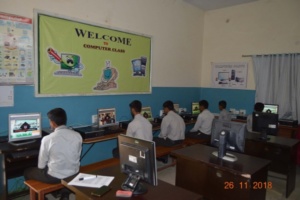
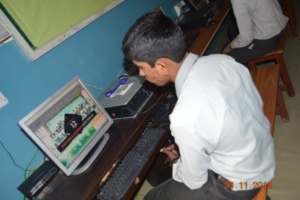
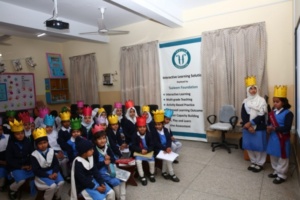
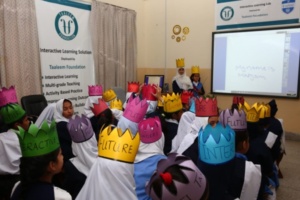
Years ago, it was only a dream for women of Baluchistan to get education but with the endless efforts of Taaleem Foundation, it is now very easy to get access to education. Taaleem foundation has eight schools in Balcuhistan and each school is providing E-Learning by interactive board. Interactive board is the applying pivotal role in increasing student’s interpersonal skills and confidence, however teaching staff of TF is also applying its role in this regard. During past few years, Tf achieved numerous milestones but still needs improvements as to fight with the menace of gender inequality and discrimination barriers which woman of Baluchistan are facing. This would be possible only if government and local communities stand on single page and promote education in Baluchistan and ultimately across the country.

The ratio of girls acquiring education is more or less equal to boys. There are still a few underdeveloped areas where schools exist but students are not enrolled due to lack of trust on secured learning environment and basic facilities, especially in case of girls. This culture needs to be changed towards betterment of society by building a confidence among people and promoting education as a need of time.

1,100 out-of-school children set to begin scholastic journey

ISLAMABAD: As the new educational year starts, the education authorities in the federal capital hope to welcome as many as 1,100 children dressed in crisp new uniforms who were not in school during the last educational year.

However, this is just a fraction of the 27,300 out-of-school children discovered in a third-party survey of the federal capital.

After taking over as the Federal Education Minister, Shafqat Mehmood had late in November last year had launched a campaign to survey the out-of-school children in the federal capital apart from launching an enrollment drive.

The survey was conducted by the federal education ministry through its autonomous organisation, the Academy of Educational Planning and Management (AEPM), and found that as many as 27,300 children in the federal capital were not enrolled in educational institutions.

Moreover, a three-month-long survey by the Federal Directorate of Education (FDE) has identified that as many as 11,000 out-of-school children are in six sectors of Islamabad including Urban-1 and Urban-2, Nilor, Sihala, Bara Kahu and Tarnol.

This data was then provided to the related federal schools while the directorate was working on tracing the details of the remaining 26,000 children.

Then in the first phase of the enrollment drive, as many as 1,100 of these out-of-school children were enrolled, including three whom Mahmood enrolled personally by signing off on their forms.

But with the survey now complete, the actual enrollment campaign has begun in earnest.

The three students who had been enrolled by Mahmood have been appointed as the ambassadors of the campaign.

The educational responsibilities of the ambassadors have been entrusted to the education foundation which already initiated character-building sessions for them in December.

Sources disclosed that these children will be facilitated by providing them with free lunches, while their parents will be given special sessions to make them aware of the importance of education.

As part of the new enrollment campaign, more than 2,000 children have been admitted in just the first three days.

Area Education Officer Sohail Ali Khan said that they have tasked senior school officials to enrol children in areas around their schools who had been identified in the survey.

Meanwhile, Education Foundation Chairman Zafar Qadir said that they were working on means to attract children and keep them engaged in school and studies to help combat dropout rates. In this regard, he said they were trying to modernise their schools like those in the private sector by installing interactive boards.

Further, they intend to provide children with free bags and uniforms.

Separately, Education Ministry Spokesperson Rafiq Tahir said that they were working on ensuring 100% admissions of all out-of-school children identified in their surveys.

Moreover, he said that the government will take all measures to ensure that these out-of-school children, once enrolled, would never have to drop out of schools.

He added that they are scheduled to meet with some non-government organisations (NGOs) on Monday (today) where they intend to give them new responsibilities.

DPC committee in doldrums

Even as it makes progress on enrolling students the chief education body of the federal capital is struggling with ensuring its teachers are promoted in a timely manner.

Despite making new service rules for teachers, the Federal Directorate of Education (FDE) has yet to announce dates for creating the Departmental Promotion Committee (DPC) and the Departmental Selection Board (DPB).

These boards will be primarily responsible to promote teachers of all cadres in government-run educational institutions operating under the FDE.

Delays in the announcement of the board have pained teachers.

In this regard, the teachers’ associations have demanded that the federal education secretary complete this process immediately by instructing the FDE to prepare cases of regular and time-scale promotions of teachers in all cadres.

HRCA is an organization arranges activities 

Introduction: HRCA is an organization arranges activities like fine arts competitions, & creative Contests since 2012. It operates in three countries Pakistan, Malaysia, and the USA. (http://www.hrcamegaevents.com)
 
Science and English Quiz details:
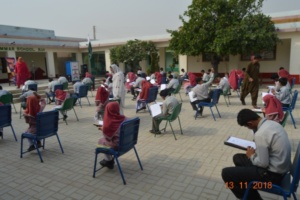
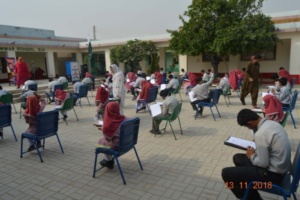
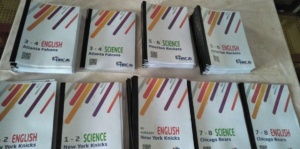
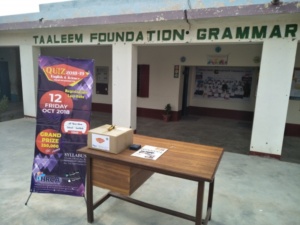
Students from class Nursery to grade 12 were eligible to participate in both categories of English and Science. A curriculum for quiz was shared prior to the competition. The quiz took place in two rounds. 
Elimination round: 20 MCQs in 20 minutes with 90% passing criteria. (handwritten)
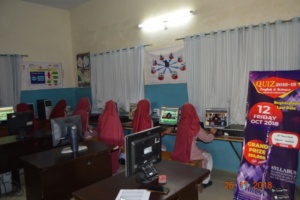
Grand Finale: 30 MCQs in 20 minutes. (online)
 
Participating schools of TF: 
TfGSSui
TFGSKohlu and 
TFGSLoralai 
 
Prize winners:
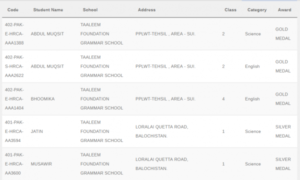
07  medals by students of TFGSSUI.
 
03 Gold medals 
Abdul Muqsit-2 for Science, 
Abdul Muqsit-2 for English, 
Bhoomika-4 for English
 
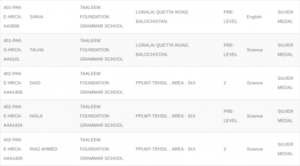
03 Silver medals
Daid-2 for English, 
Riaz-2 for English, 
Naila -Nursery for English
 
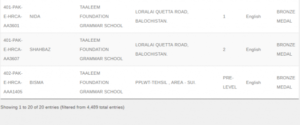
01 Bronze medals
Bisma-Nursery for English
 
13 medals by TFGS Loralai:
Silver medals04 
1: Jatin English  Grade:1 Prize: Silver Medal.
2:Musawir: English:Grade:1 Prize:Silver Medal.
3:Talha:science Grade:Prep Prize:Silver Medal.
4:Sania: English:Grade Prep:Prize:silver Medal.
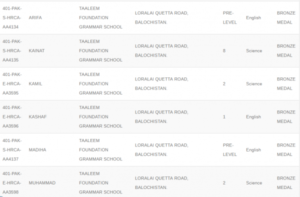
5:Kamil:English:Grade:2 Prize Bronze Medal.
6 :Shahbaz English : Grade 2 Prize Bronze Medal.
7. Abdul Moiz Science : Grade Prep Prize Bronze Medal.
8. Arifa Science : Grade Prep Prize Bronze Medal.
9. Kainat Science : Grade 8 Prize Bronze Medal.
10. Kashaf English: Grade 1 Prize Bronze Medal.
11. Nida English: Grade 1 Prize Bronze Medal.
12. Madiha Science : Grade Prep Prize Bronze Medal.
13. Muhammad English :Grade 2 Prize Broze Medal.

Pakistan inches closer to new national educational policy

ISLAMABAD: Pakistan’s federal government on Tuesday identified host of lacunae in its education system and promised to prioritize four action areas – access to education, uniformity in standards, quality of education and skill development – to bridge the gap.

“This is very unfortunate that our literacy rate has gone down from 60 percent to 58 percent in last seventy years while 22.5 million children are still out of school,” Shafqat Mahmood, Minister for Education and Professional Training, said while launching the National Education Policy Framework.

He said that more than 41 percent of the enrolled children in primary schools dropout before completing grade 5, resulting in “very low” enrollment in middle and high schools.

The minister said that three different streams of school systems were working in the country and that’s why “there is a massive disparity between curriculum, school facilities, teachers and students achievements.”

“We have created a system of winners (the elite) and losers (the poor), and this needs to be addressed immediately,” he said, adding that bringing up children with vastly different mindsets was resulting in a “fractured national psyche.”

The minister also detailed missing facilities in the schools which were resulting in “on an average only 60 percent of the enrolled students pass grade 10 examinations.”

The education policy has also highlighted the lack of skilled labor in the country as only 1.9 percent of labor force has received any technical or vocational training.

“The current education system can impart technical skills to only 400,000 students per year while the requirement is five million per year,” the policy says.

The policy also envisages mainstreaming of Madrassas (religious seminaries) through active dialogue with the seminaries boards to give madrasa students “an equal opportunity through core subjects and skills programs.”

The government through the education policy promises to bring more children into schools by applying technology solutions like establishment of digital classrooms and help students access learning content through offline, online and prepackaged solution.

To ensure an equitable playing field for all of Pakistan’s children, the government has promised to establish a National Curriculum Council to identify core subjects for all students, and regularly assess students’ learning outcomes in all educational systems.

“Children should not be held back due to their socioeconomic status, gender, ethnicity or religion,” the minister said. “All children have a fair and equal opportunity to receive high quality of education to achieve their full potential and we are trying our best to ensure that.”

Azam Khan, an education expert, said the government’s education policy mainly highlights the problems and lacunae in the system which everybody already knows.

“The policy does not talk about overall spending on the education with respect to the country’s GDP which remains around 2 percent, the lowest even in South Asian region,” he told Arab News. “The spending needs to be raised to at least 3 percent.”

Khan suggested the government to focus on improvement of educational standard in the public sector, and ensure a uniform medium of education in all private and public sector schools to abolish “apartheid education system.”

Prime Minister Imran Khan, in his maiden speech after winning the election,had stressed the need to reform education system with ‘uniform education for all.